Guide · Small weddings
The Elopement Nobody Sees Coming: Getting Married at the Bottom of Africa
An honest guide to an elopement at Cape Agulhas — the marriage officer, the permit, the wind, and why our house is the place you come back to rather than the venue.
By Madelaine & family · 28 September 2026 · 8 min read
South African law needs two witnesses. That is the whole guest list, legally speaking. Everyone after that is someone you chose.
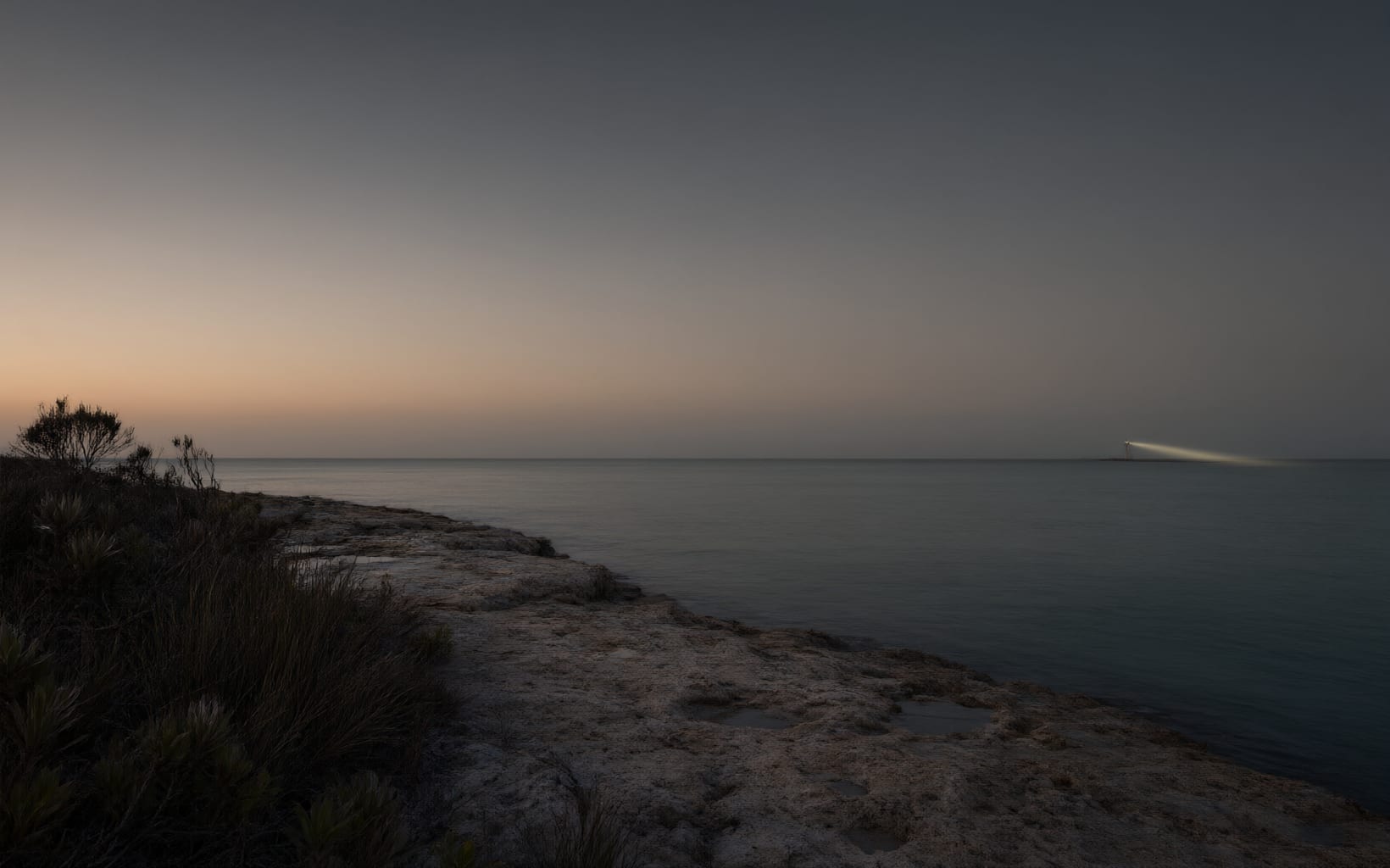
The southernmost tip of Africa turns out to be a good place to get married for a reason no brochure will print: it is very hard to invite two hundred people to it. There is one road in, a gravel stretch at the end, a wind that has opinions, and a national park where the point actually is. What is left, once all of that has done its filtering, is the two of you and the handful of people who would drive three hours to stand on a rock with you. We have been coming to this rock since 1991. This is what a wedding here honestly looks like — and what it cannot be.
2
witnesses the law requires
Section 29 of the Marriage Act, and the same under the Civil Union Act. The register is signed immediately after the vows, by the two of you, the two of them and the officer.
10
people, and not one more
5 en-suite bedrooms, one long table, one kitchen. The size of the house is the size of the wedding — that is a feature.
5 km
from our door to the tip
The lighthouse is about 7 km. You can say your vows at the bottom of Africa and be back for coffee before the wind is properly awake.
Why elope at Cape Agulhas at all
Because it is the end. Not metaphorically — cartographically. Stand at the Map of Africa monument, opened in 2019 inside Agulhas National Park, and everything on the continent is behind you. Twenty degrees east, the line the hydrographers drew to divide the Atlantic from the Indian Ocean, runs through the rocks under your feet. There is no seam in the water, whatever the postcards say — we wrote a whole piece on that myth. But there is an edge, and you can feel it.
People get married at Cape Point because it is famous. People get married here because it is true. The lighthouse has been lit since 1849. The coast is littered with the wrecks of ships that got the geography wrong. The fynbos comes down to the sand. Nobody sells you a ticket to the view.
It is also, and we say this with love, a bit bleak. The sky is big and often grey. The town is small. If you want palm trees and a string quartet, Cape Agulhas will disappoint you within an hour. If you want to marry somewhere that does not look like every other elopement on the internet, read on.
First, what this is not
Our own website says it, and we are not about to contradict it here: Gans-te-Ver does not host parties or events. The house stands inside a coastal nature reserve. There are neighbours who came for the same quiet you did. Quiet hours run 22:00 – 07:00, and we mean them.
So this is not a small wedding venue in the Western Cape sense — no coordinator, no dance floor, no bar. It is a family holiday that happens to contain a marriage. You stay here. You eat here. You walk down to the sea from here in the early morning and come back with sand on the hem. The ceremony itself happens out in the landscape, with a permit where a permit is needed, and the house is what you come home to afterwards. If that reads as a limitation, we are probably not your place. We think it is the reason you would come.
The paperwork, in plain words
Three kinds of marriage are recognised in South Africa: civil marriages, customary marriages and civil unions. The first and the last are what a couple eloping here will use, and the mechanics are the same. A registered marriage officer— a Home Affairs official, a designated minister, or one of the private officers who do this for a living — solemnises the marriage in front of the two of you and at least two competent witnesses. Everyone signs the register immediately afterwards. The officer hands you a handwritten marriage certificate there and then, at no charge, and the marriage is registered with Home Affairs from there.
One honest wrinkle. The Marriage Act, written in 1961, talks about solemnising a marriage in a church, a public office or a private dwelling-house “with open doors”. Beach weddings happen all over this country every weekend regardless, and how the vows on the sand and the signing at the table fit together is your marriage officer’s professional call, not ours. Choose one who has done outdoor ceremonies before and let them lead.
If either of you holds a foreign passport, this is the bit to settle first. Home Affairs has its own requirements for foreign nationals, and they change. Your marriage officer will know the current list; get it from them in writing before you book a single flight. The morning of a wedding is a bad time to be on the phone to a consulate.
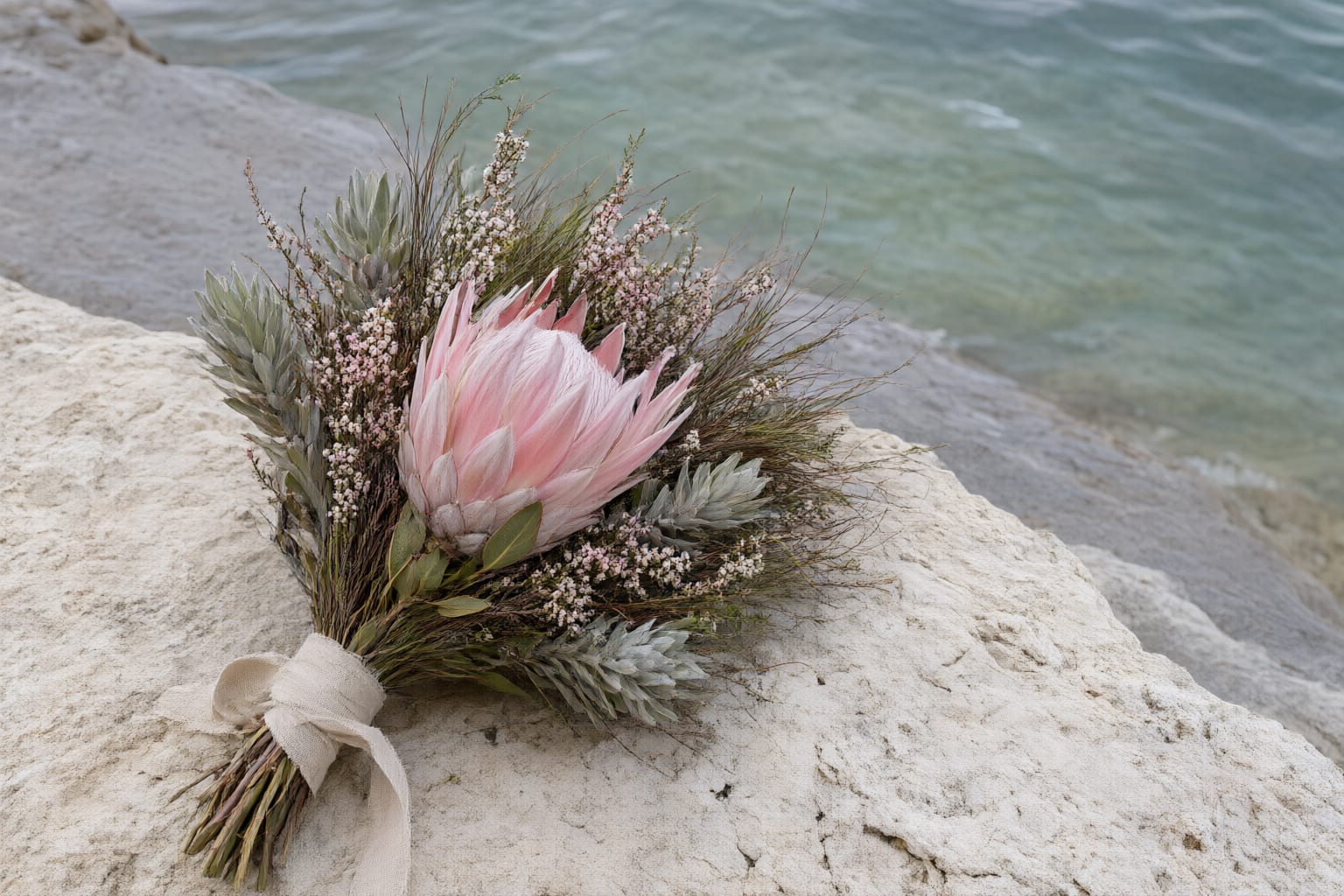
Where to actually say it
Four places, in the order we would suggest them. None of them is a venue. All of them belong to someone — the nation, the reserve, a lighthouse authority, or us — and each comes with a person to ask.
- 01
The southernmost tip
The Map of Africa monument inside Agulhas National Park, a flat boardwalk from the car park. It is public land and SANParks treats a ceremony there as an event: there is an application form, a fee and a permit, and you apply well ahead. Do not turn up with a marriage officer and hope. Early morning, before the day visitors and before the wind gets up, is the hour to ask for.
- 02
The beach below the house
A few metres from our door, inside the Suiderstrand reserve. Ten people standing on the sand for a quarter of an hour is a walk, not a wedding, and that is the scale that fits here. No arch, no chairs carried down, no speaker. If you want this one, tell us before you plan on it — the reserve has rules and so do we.
- 03
The lighthouse
Lit in 1849, still working, and about seven kilometres from the house. It is the photograph everyone wants and the one that survives the wind, because the tower gives you a wall to stand behind. The building and its grounds belong to other people; ask them, do not assume.
- 04
Our table
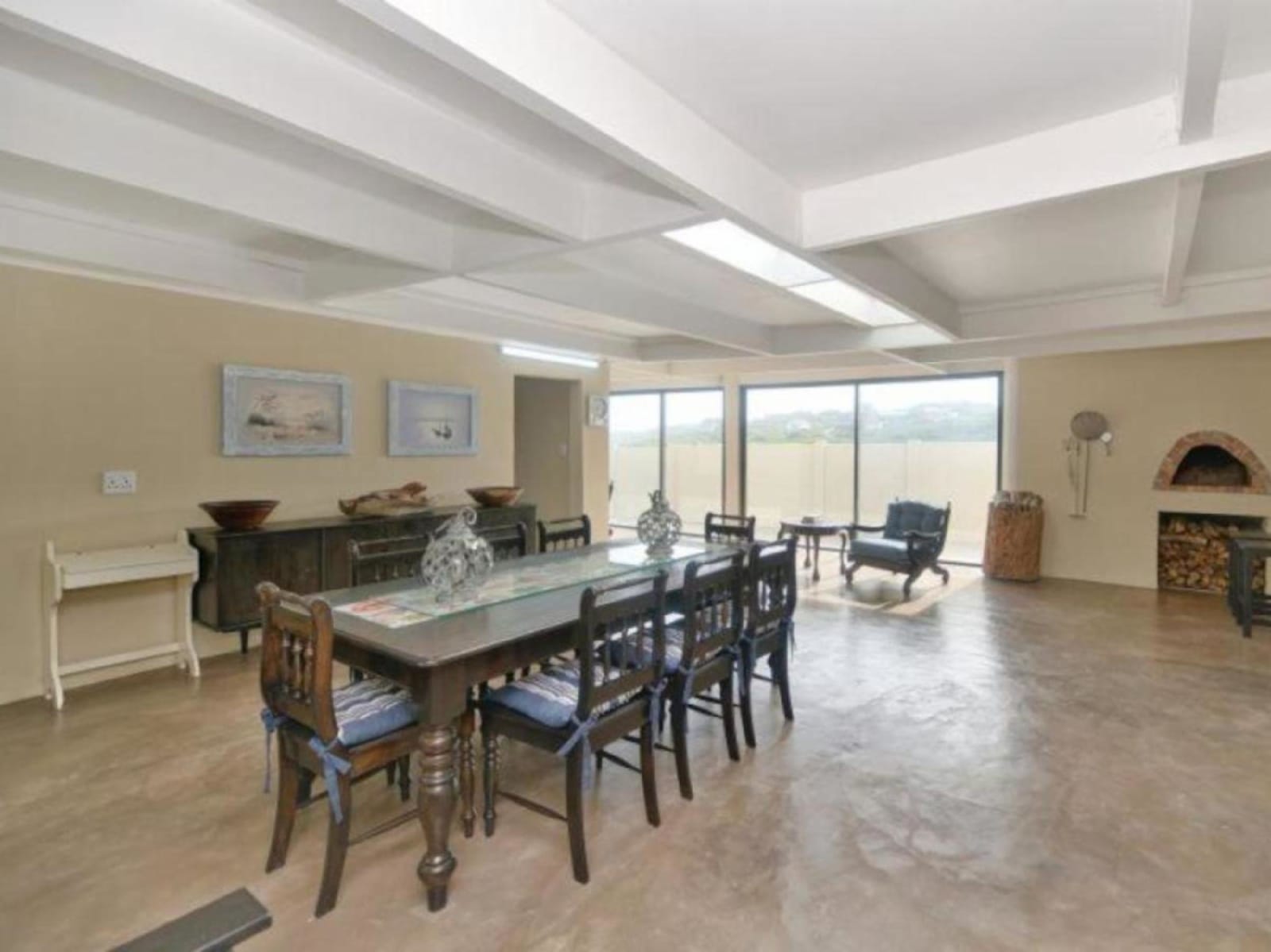
Not for the vows — for the part the law actually cares about. A marriage officer, the two of you and two witnesses signing a register at the dining table is a dinner, not an event. Then the pizza oven gets lit and the wedding breakfast happens under the skylights. Message Madelaine first; this is her house, and she decides.
The wind, and when to come
We would be lying to you if we left this out. Cape Agulhas is windy. In summer the southeaster can blow for days, hard enough to take a veil to Struisbaai and a marriage officer’s words with it. Early mornings are usually the calm part of any day here, which is why every suggestion above says “early”.
Autumn — March into May — is often the gentlest stretch of the year: the wind tends to drop, the sea has had all summer to warm up, the light goes gold by five. Winter brings the cold fronts and, from about June to November, usually the southern right whales as well; if you want your vows with a whale blowing offshore, that is the window, though nobody, least of all us, can promise you one. Spring is fynbos season and the wind starts up again. December is busy, warm and unreliable.
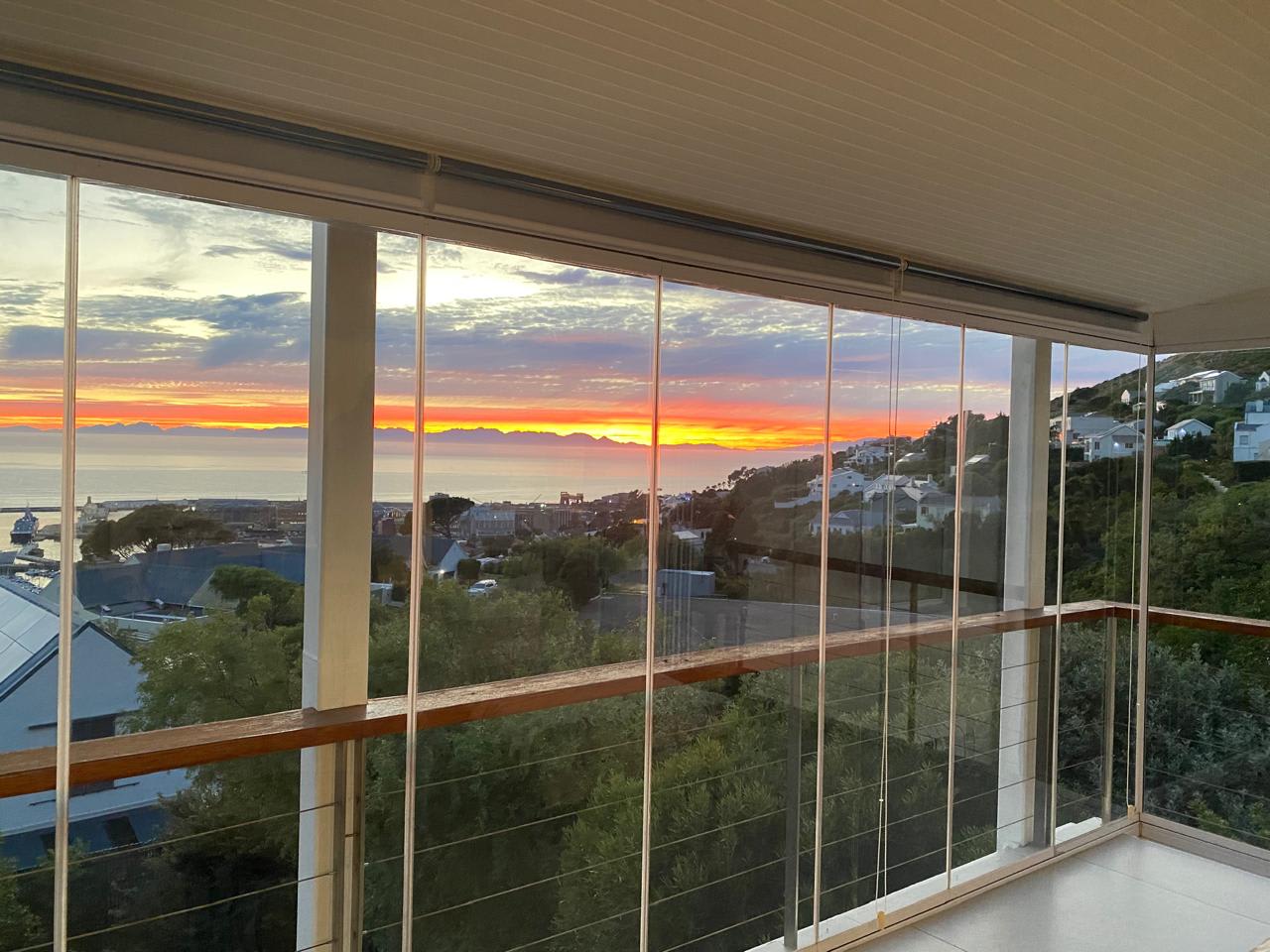
Whatever month you choose, have an indoor plan you would actually be happy with. Ours is the top-floor sunroom: the sea-facing balcony was glassed in during 2026, and a southeaster watched from behind that glass, with the fire going below, is not a consolation prize. Some years it is the best view in the house.
The dinner is the reception
This is a self-catering house, and for a wedding of ten that is the good news. There is one long table under the skylights, a brick pizza oven beside it, an indoor braai for when the weather turns and two more outside for when it does not. The kitchen has a proper gas stove and a fridge big enough for a week of celebrating. Cook, or bring someone from Struisbaai or Bredasdorp to cook for you — book them early, because out here nobody is waiting around for walk-in trade, and confirm everything the week before.
What it costs is the other half of the argument. The whole house starts from R1 300 a night, for everybody, with a 2-night minimum. Rates move with the season and the size of your party, so treat that as a starting point and message us for your dates. Split across the people at the table it is not a wedding budget. It is a long weekend.
And then — this is the bit people underestimate — you do not go anywhere. Nobody drives to a hotel. The flowers stay on the table for the whole stay. The next morning you walk down to the water, married, and the beach is empty, and the wind has not woken up yet.
Frequently asked questions
Is Gans-te-Ver a wedding venue?
No, and this post is not trying to make it one. We do not host parties or events — the house sits in a quiet nature reserve with quiet hours from 22:00. What it is: a whole house for the ten people who actually need to be there, five kilometres from the southernmost tip of Africa. The ceremony happens out in the landscape. The house is where you come back to.
How many people can we bring?
Ten, because that is how many the house sleeps — 5 en-suite bedrooms. That is also, we would argue, about the right number for a ceremony on this coast. Beyond ten you are not eloping any more, you are organising, and the wind starts winning.
Do we need a permit to marry at the tip?
Yes. The monument is inside Agulhas National Park, and SANParks issues permits for events, filming and photography in its parks. There is an application, an assessment, an invoice, and the permit follows payment. Allow weeks, not days, and ask them directly what a ten-person ceremony counts as — we would rather you hear the conditions from them than from us.
Can we get legally married here if we are not South African?
People do, but the paperwork is the part to sort out before you book flights, not after. A registered marriage officer solemnises the marriage and two competent witnesses sign the register with you; Home Affairs has its own requirements when one or both of you hold a foreign passport. Find your marriage officer first and let them tell you exactly what to bring. Do not rely on a blog for this — including ours.
Can we have music?
At dinner, at dinner volume, yes. A speaker on the terrace at ten at night, no — the reserve's quiet hours run 22:00 to 07:00 and our neighbours are part of the reason the place is the way it is. If a first dance matters to you, have it at sunset with the doors open, and let the sea be the sound system after that.
Start the conversation
Two of you, eight of yours, and the end of a continent
Gans-te-Ver sleeps 10 inside the Suiderstrand reserve, 5 km from the southernmost tip. Tell Madelaine what you have in mind — small, quiet and honest is exactly the kind of stay this house was built for.